Data × IP Integration StrategyBuilding Exclusive Advantage in the AI Era
Jolly Good integrates over 600 rare on-site VR data assets, the world's first VR analysis AI system "VRCHEL" that quantifies expert tacit knowledge, and "Japan-US patents monopolizing digital therapeutics and content generation" in a trinity. We are a platformer building exclusive competitive advantages that others cannot follow.
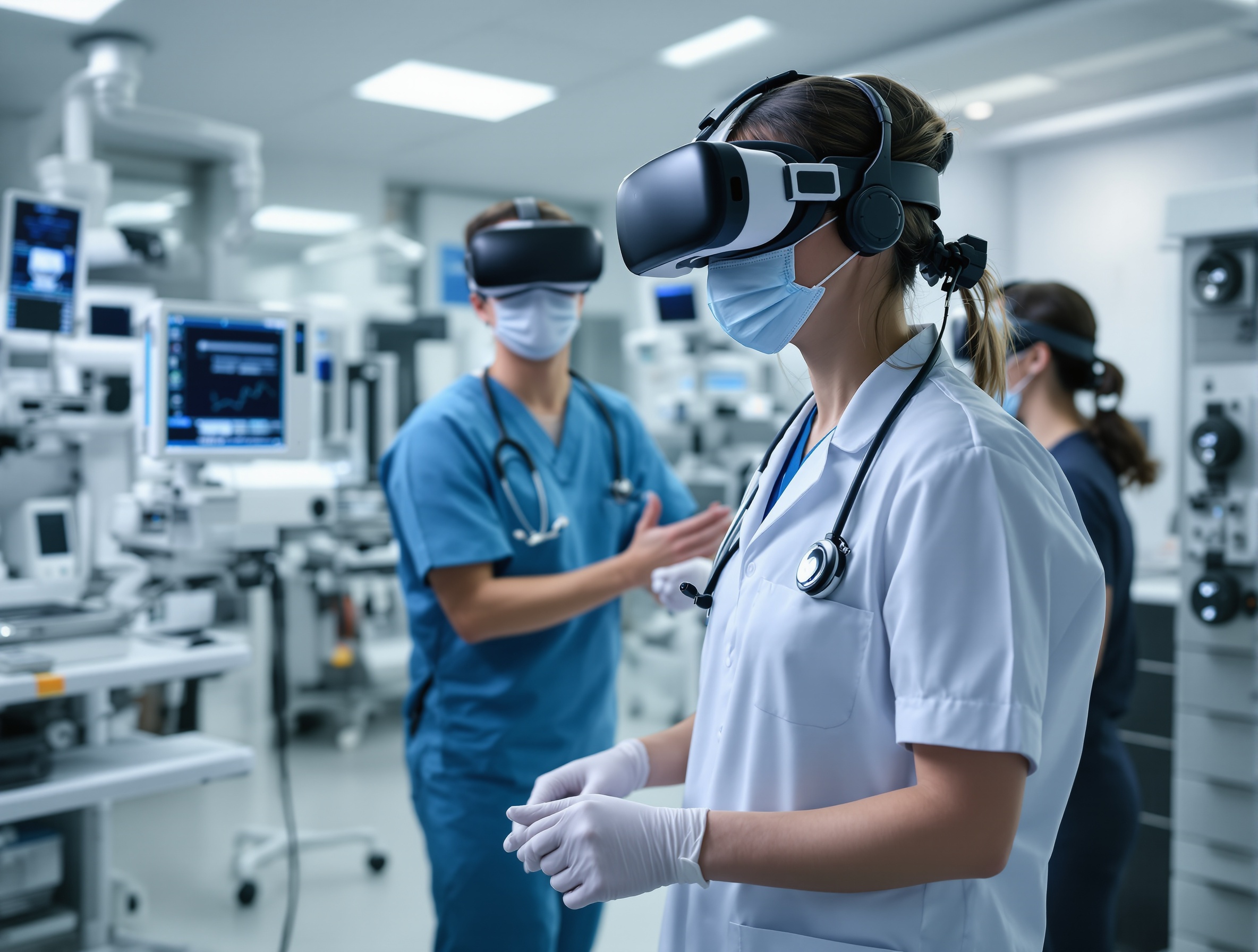
Over 600 "Real" Big Data
Monopoly of world-rare "business know-how/process data" capturing medical field tacit knowledge
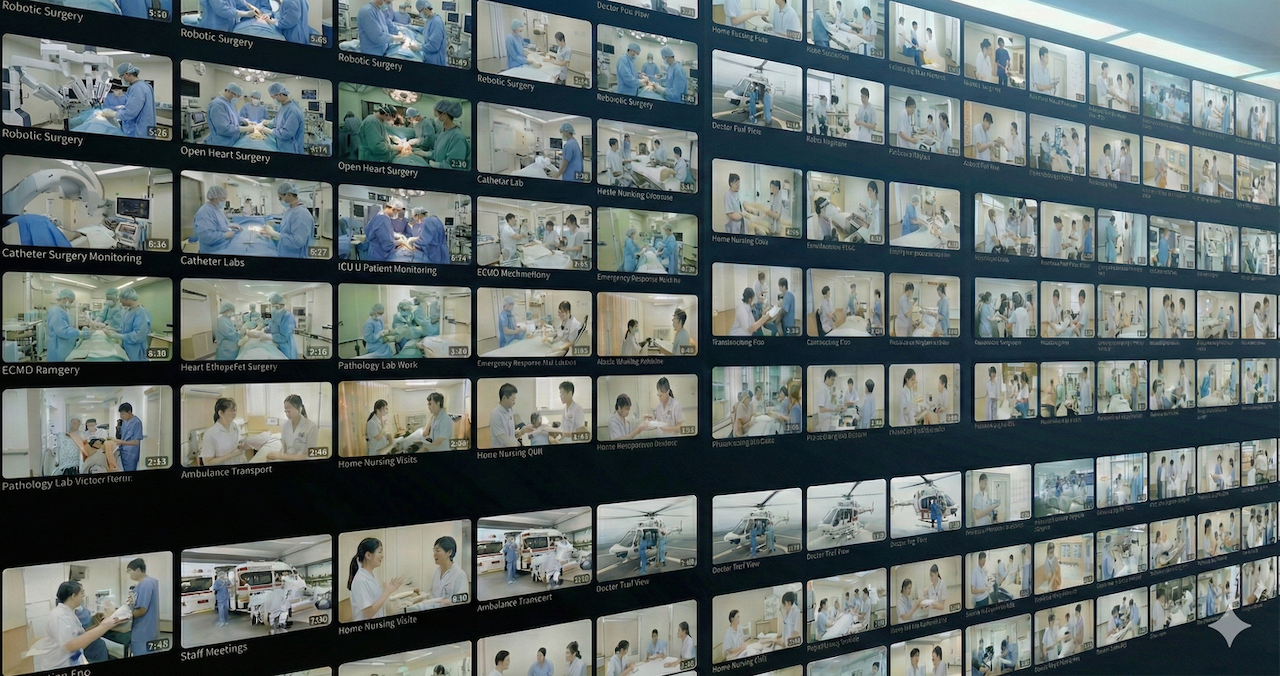
Medical VR
Practical medical and educational content library
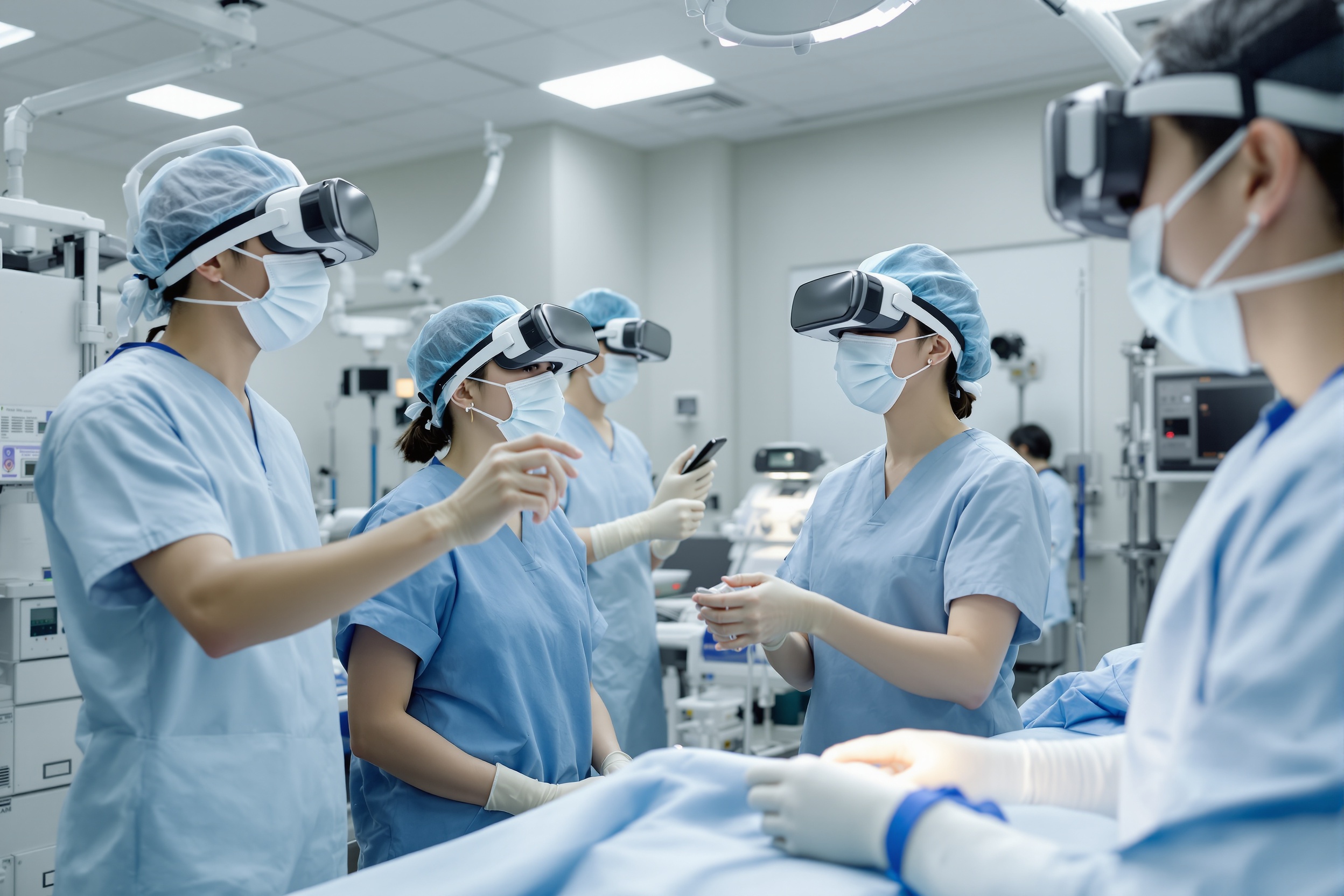
SST
Practical medical and educational content library
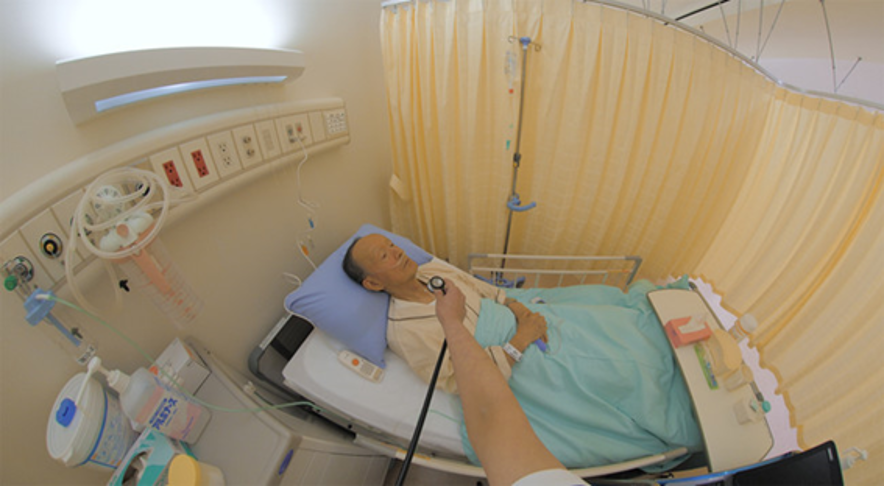
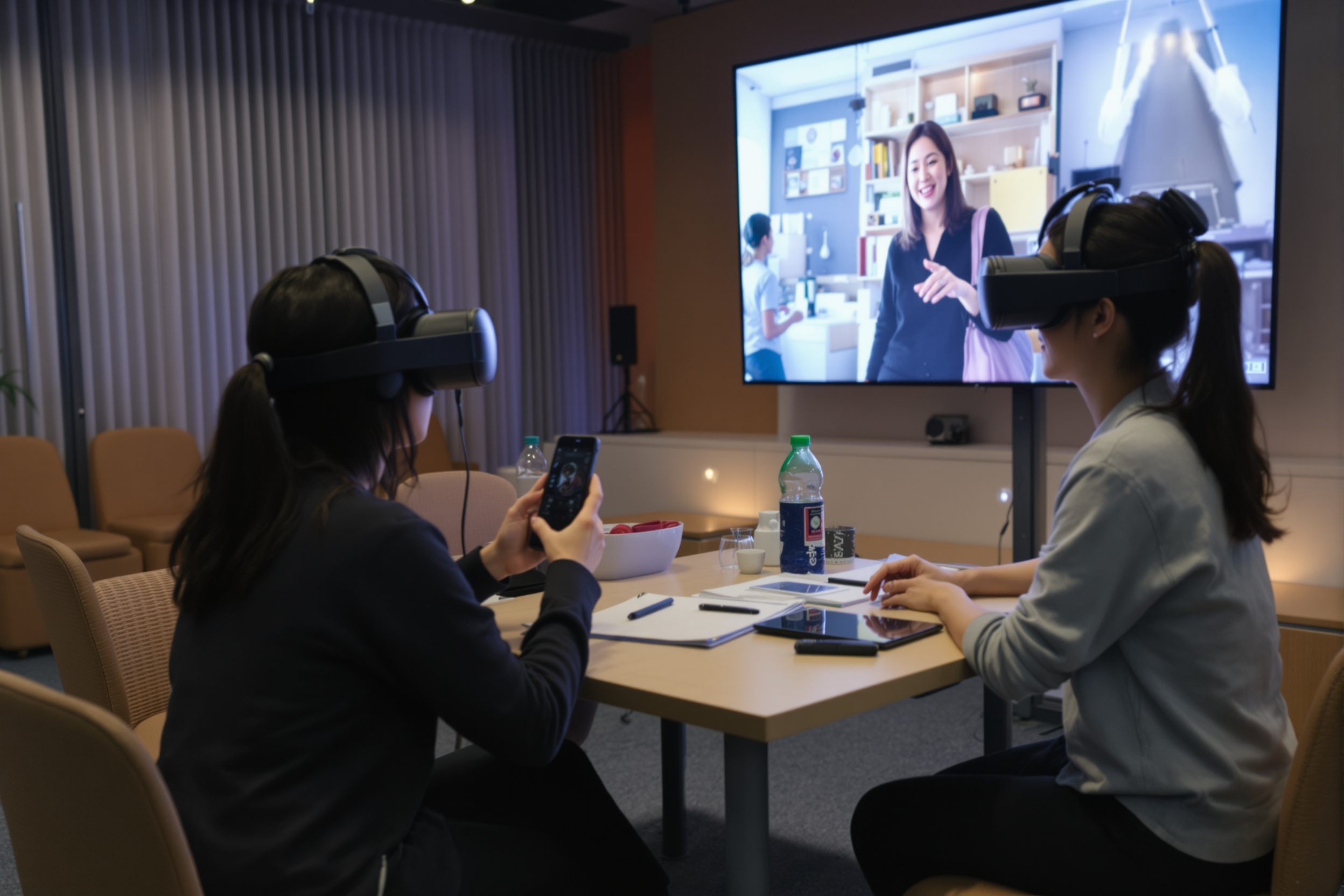
Other Specialized Fields
Practical medical and educational content library
Unique Strengths of Data
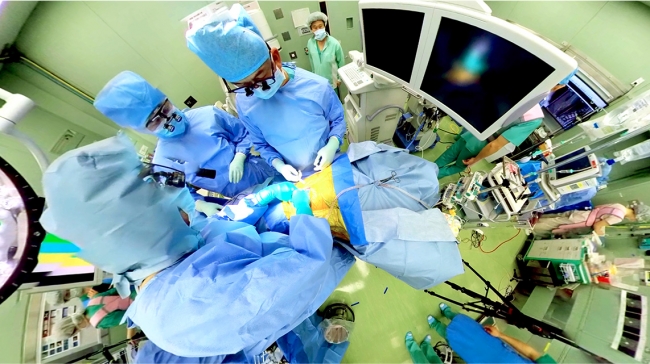
Multi-perspective, Omnidirectional Understanding
360° video captures the entire medical field from multiple angles, enabling spatial awareness and situational judgment impossible with conventional flat video
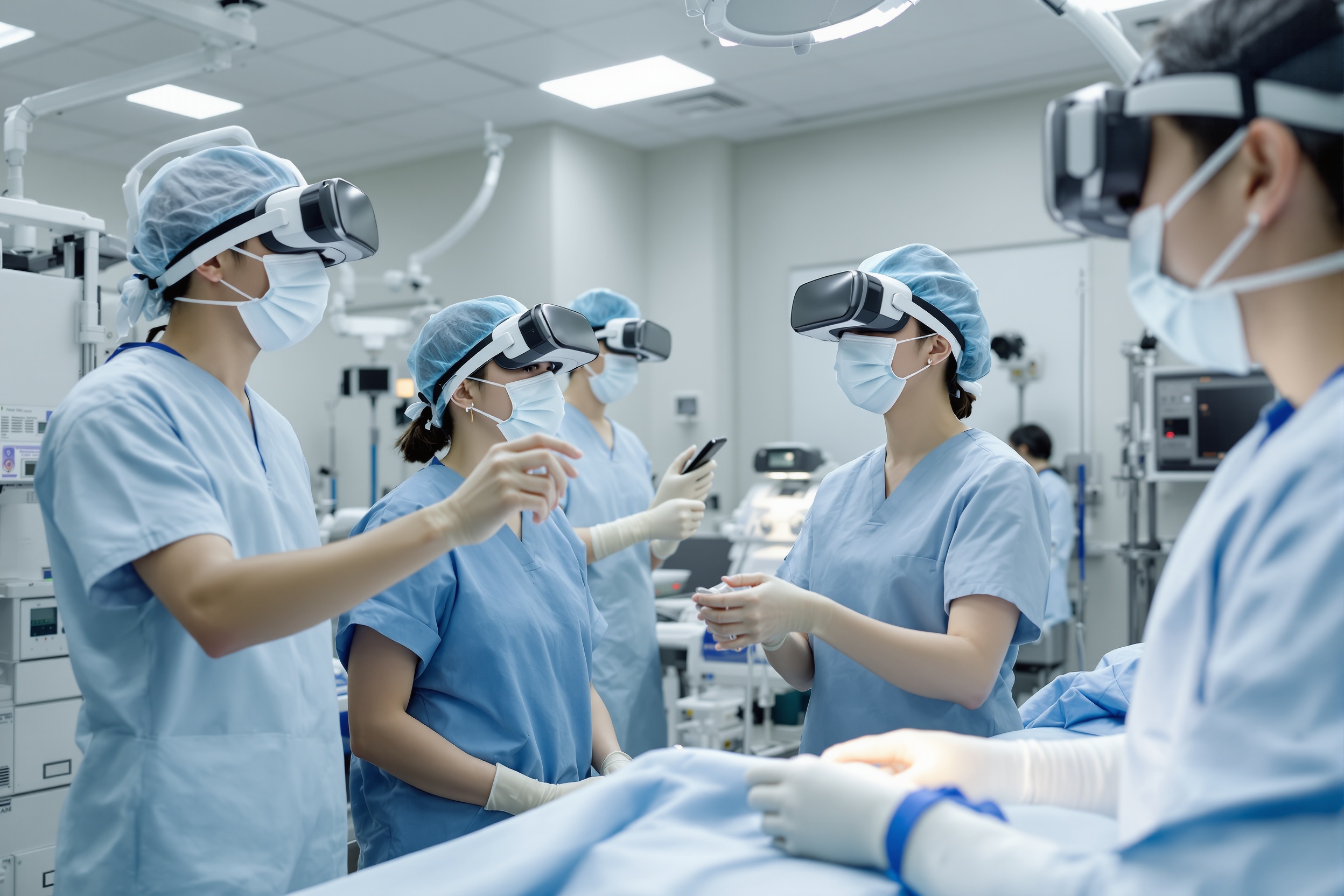
Multi-professional Collaboration Data
Records collaboration processes of multiple professionals including doctors, nurses, and paramedics, visualizing tacit knowledge of team medicine

GAFA's Weak Domain
Real business process data, unlike text or image data, is a Japanese advantage domain that GAFA cannot easily collect

Exclusive Data Assets
Unique data ecosystem built through long-term partnerships with medical institutions cannot be easily imitated by competitors
Essence of Competitive Advantage
These data assets function not merely as video content but as "training data" that forms the foundation of AI learning. As data accumulates, AI analysis accuracy improves, forming a "data moat" that attracts more customers.
VRCHELWorld's First 360° AI Analysis
Composite analysis of VR video and user behavior data to visualize skills difficult to manualize

Multi-modal Analysis Functions
Image Analysis
Automatic recognition of spatial information, human movements, medical equipment placement, etc. from 360° video
Audio Analysis
Transcribes conversation content and analyzes communication patterns and technical terminology usage
Behavior & Gaze Analysis
Visualizes attention allocation and decision-making processes from user's gaze movement, fixation time, and head movements
Spatial Recognition Analysis
Analyzes positional relationships, movement lines, and distance perception in 3D space to evaluate spatial cognitive abilities
Visualization of Analysis Process
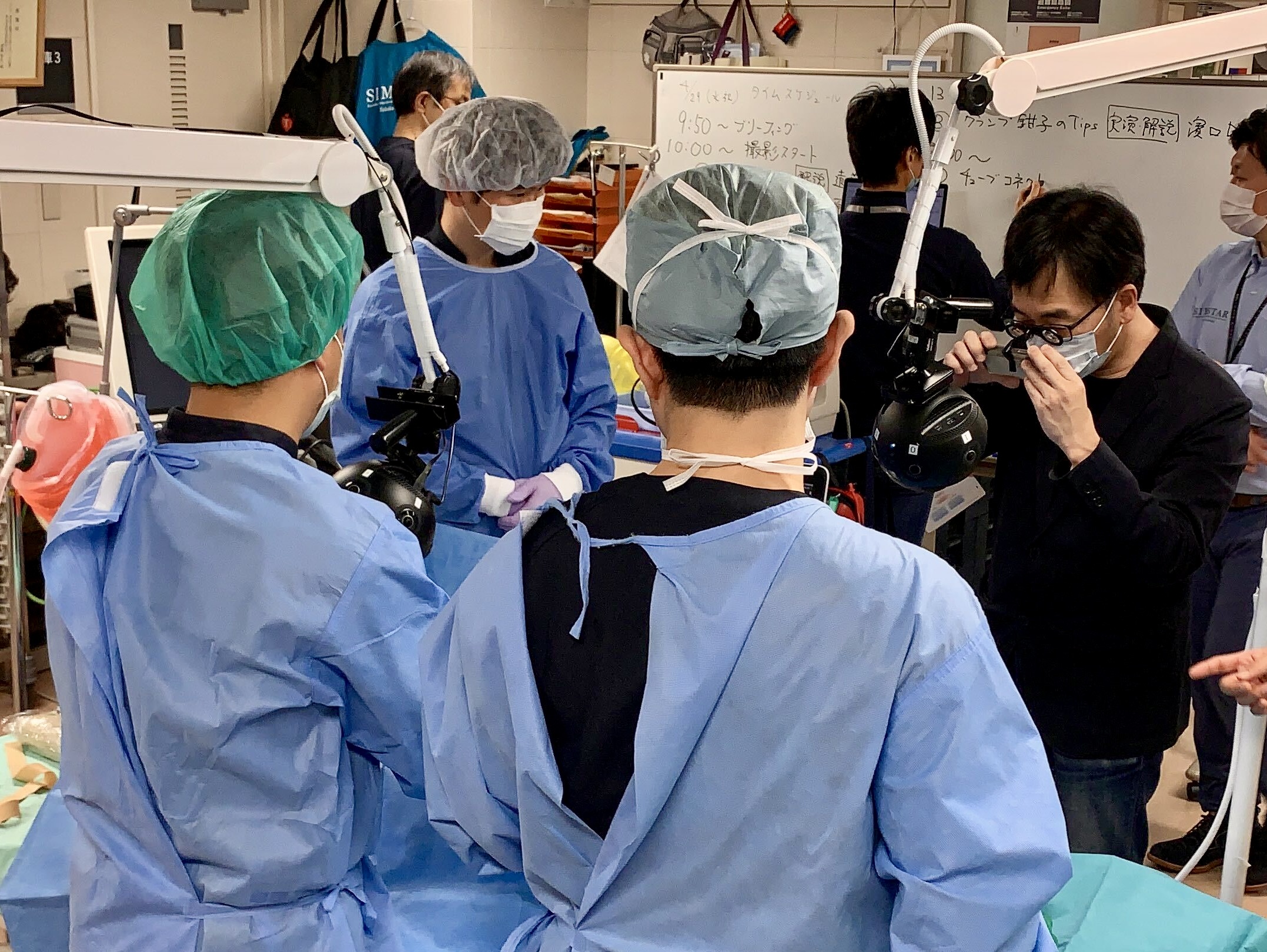
VR Video Recording
Records medical procedures and training scenes in 360° video format

AI Analysis
VRCHEL automatically analyzes video and extracts spatial information, behavior patterns, and learning points

Learning Outcomes
Generates personalized learning guides, evaluation reports, and training materials
Proven Results
Demonstrated through joint research with Harvard Medical School and others
Efficiency Gain
Achieves significant time reduction compared to conventional methods
Building Exclusive Advantage: Legal Entry Barriers
Protecting entire unique technology ecosystem with Japan-US basic patents, reducing imitation risk by 80%
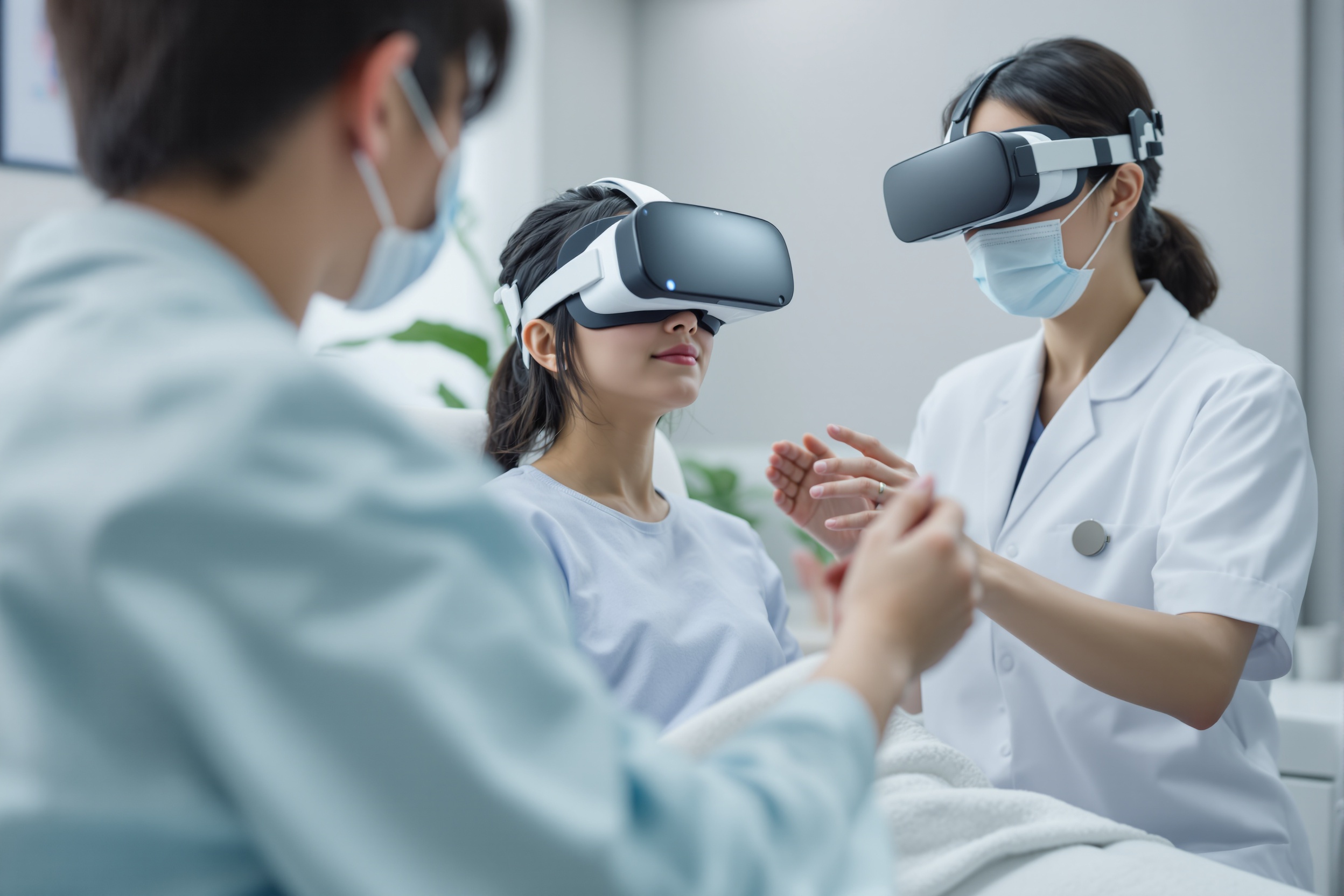
Personalized Treatment Video System
Exclusive Rights Scope
System that automatically reorganizes video sequences based on biometric information (heart rate, brain waves, etc.) to improve patient conditions. Functions as an AI expert doctor's automatic prescription system.
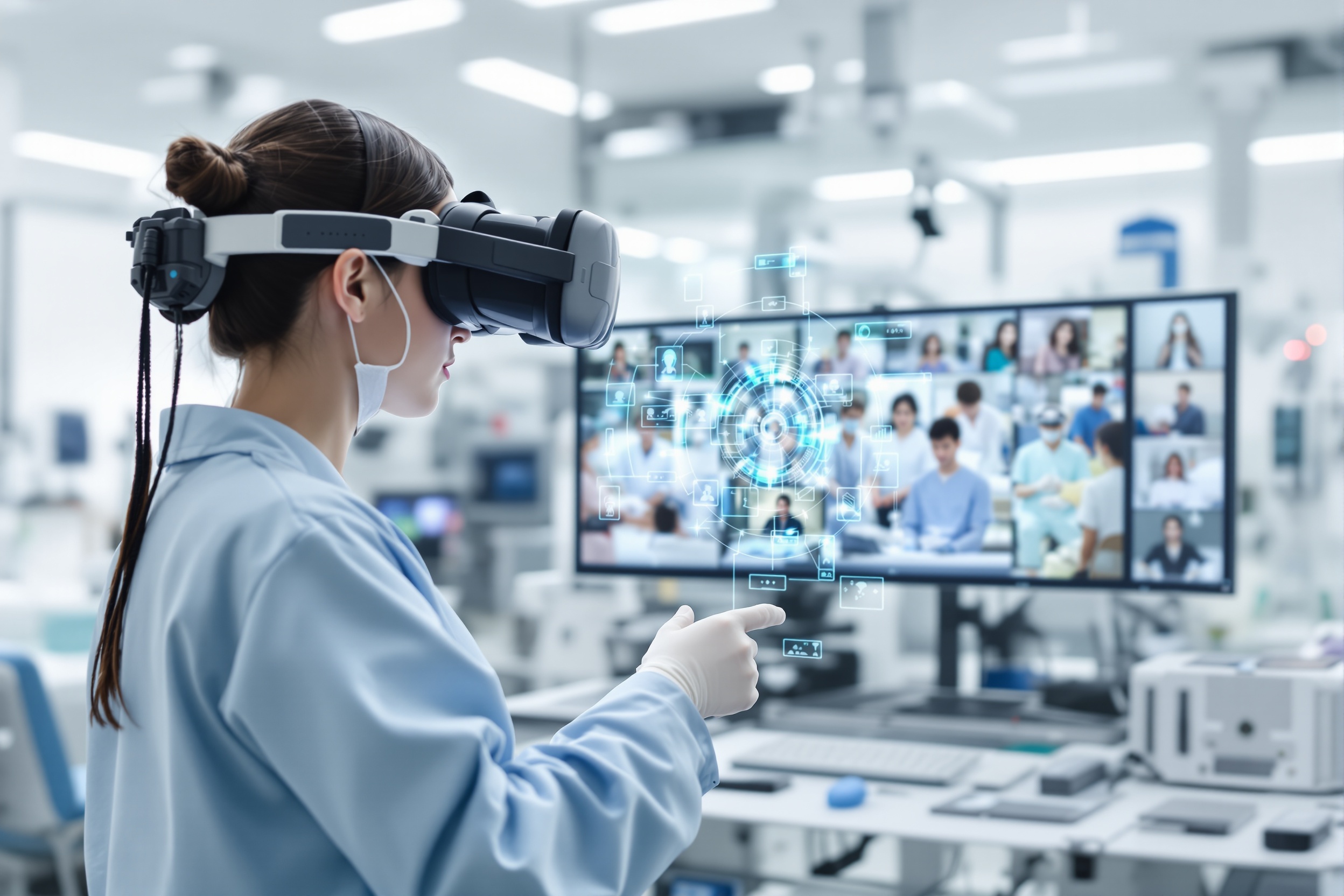
AI Learning Guide Auto-Generation System
Exclusive Rights Scope
Device that analyzes 360° video and automatically generates learning point text. Legally protects VRCHEL's core technology.
Exclusive Business Models Utilizing Patents
Digital Pharmacy Model
Personalized Treatment Video System
DTx insurance coverage enables stable revenue through monthly subscription per patient. Can exclusively provide proven 69% remission rate for depression treatment VR.
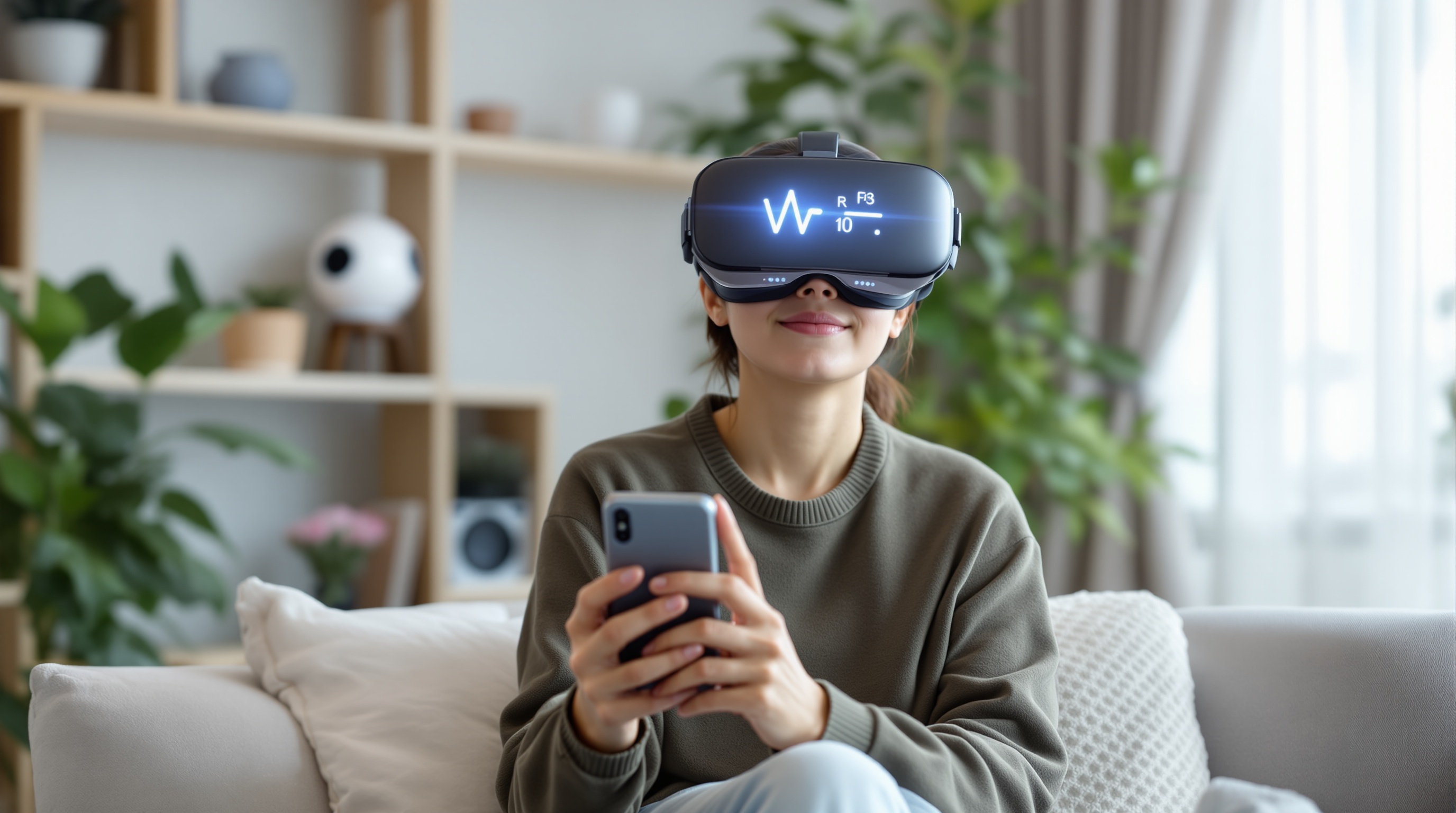
God Hand Succession Model
AI Learning Guide Auto-Generation System
Standardizes rare medical techniques with VR×AI and sells as educational content. Converts over 600 VR contents into teaching materials infinitely and at low cost.

Exponential Growth Through Data × Patents
Roadmap aiming for exclusive position that cannot be caught up in the medium to long term by combining rare data and IP strategy
Digital Feedback Loop
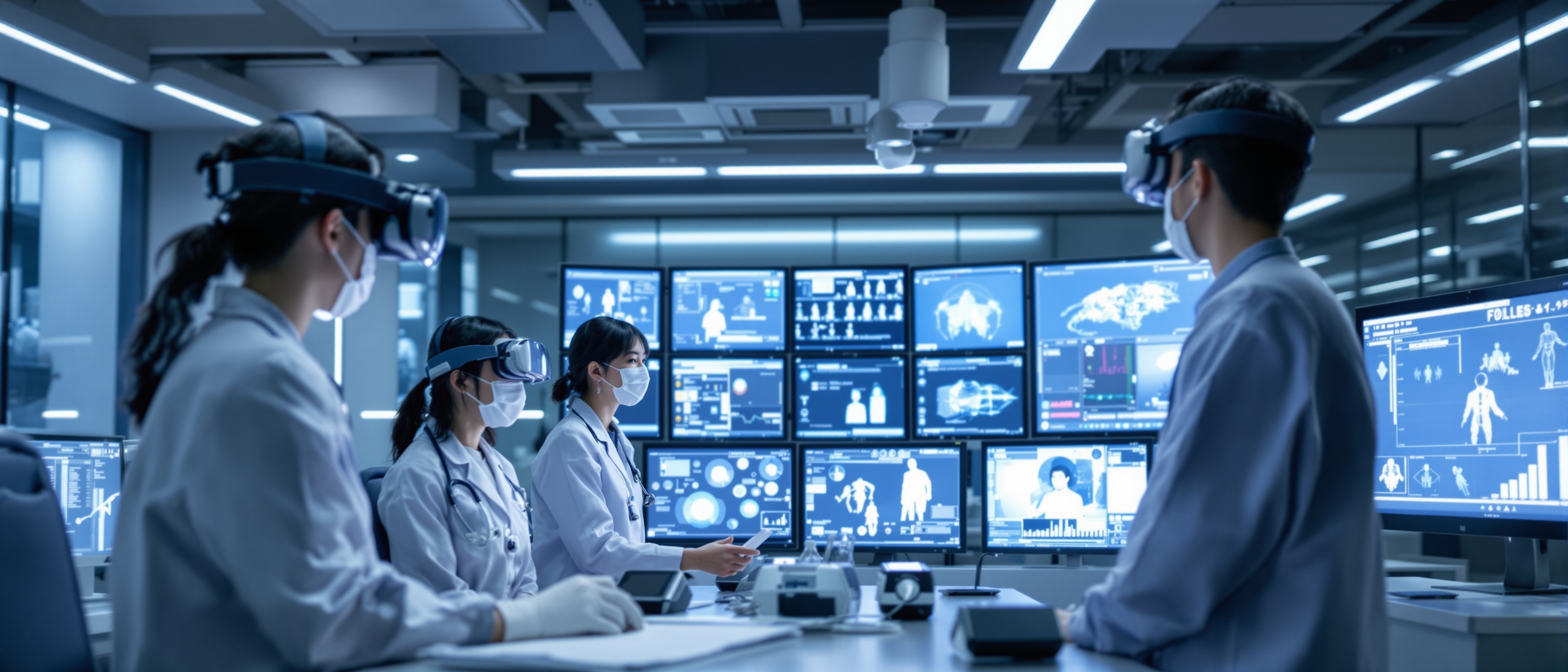
Data Accumulation
Over 600 VR contents and usage data
AI Analysis Accuracy Improvement
Advanced analysis by VRCHEL
Revenue & Customer Satisfaction Growth
Expansion of DTx and licensing business
Further Data Accumulation
Strengthening competitive advantage
Existing Business Deepening
Nationwide expansion and overseas expansion of medical education VR
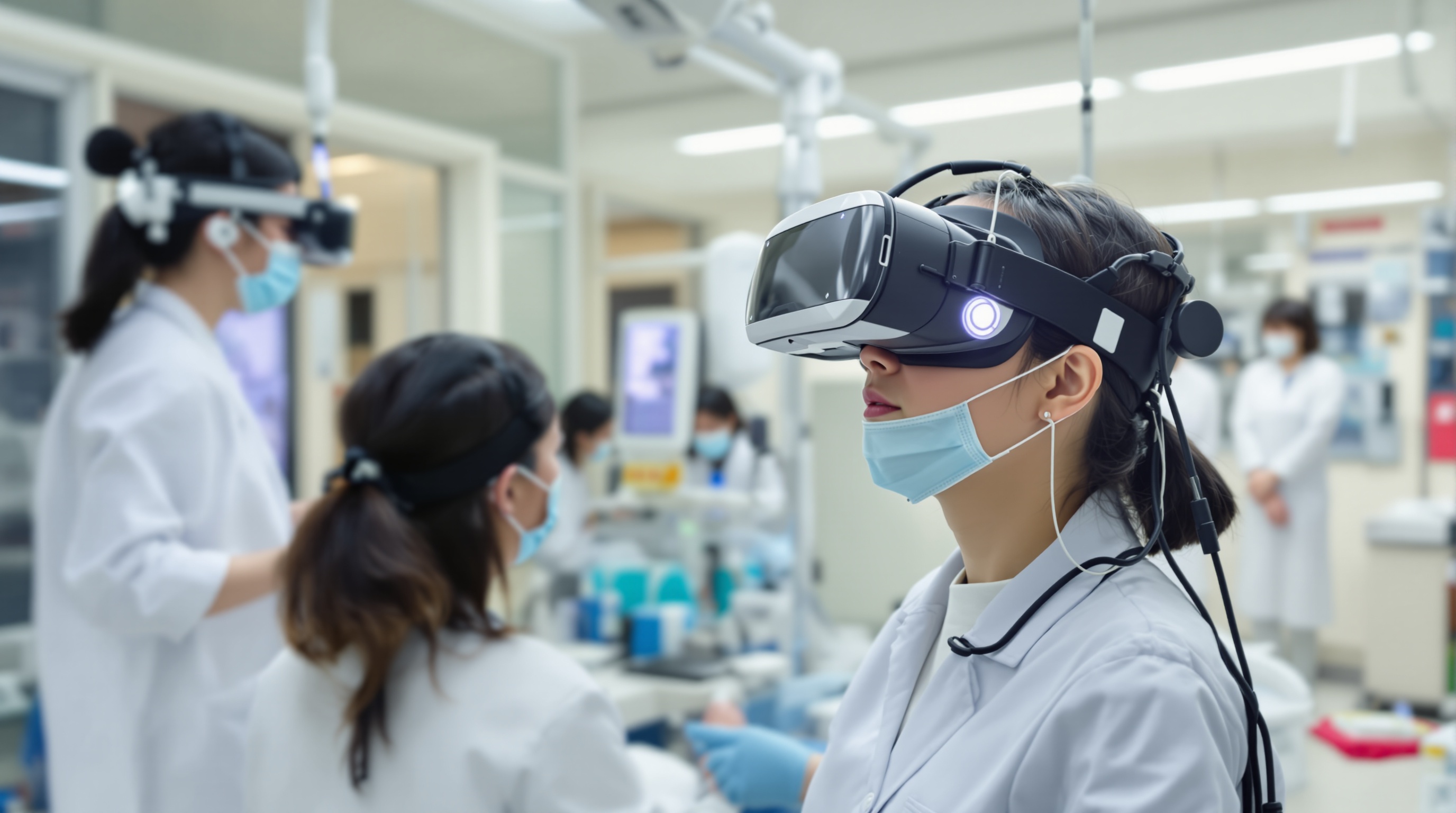
- Nationwide expansion and overseas expansion of medical education VR
- Establishment of stable revenue base through DTx insurance coverage
- Horizontal expansion to nursing care and welfare fields
New Value Creation
Teaching material business through AI learning guide auto-generation
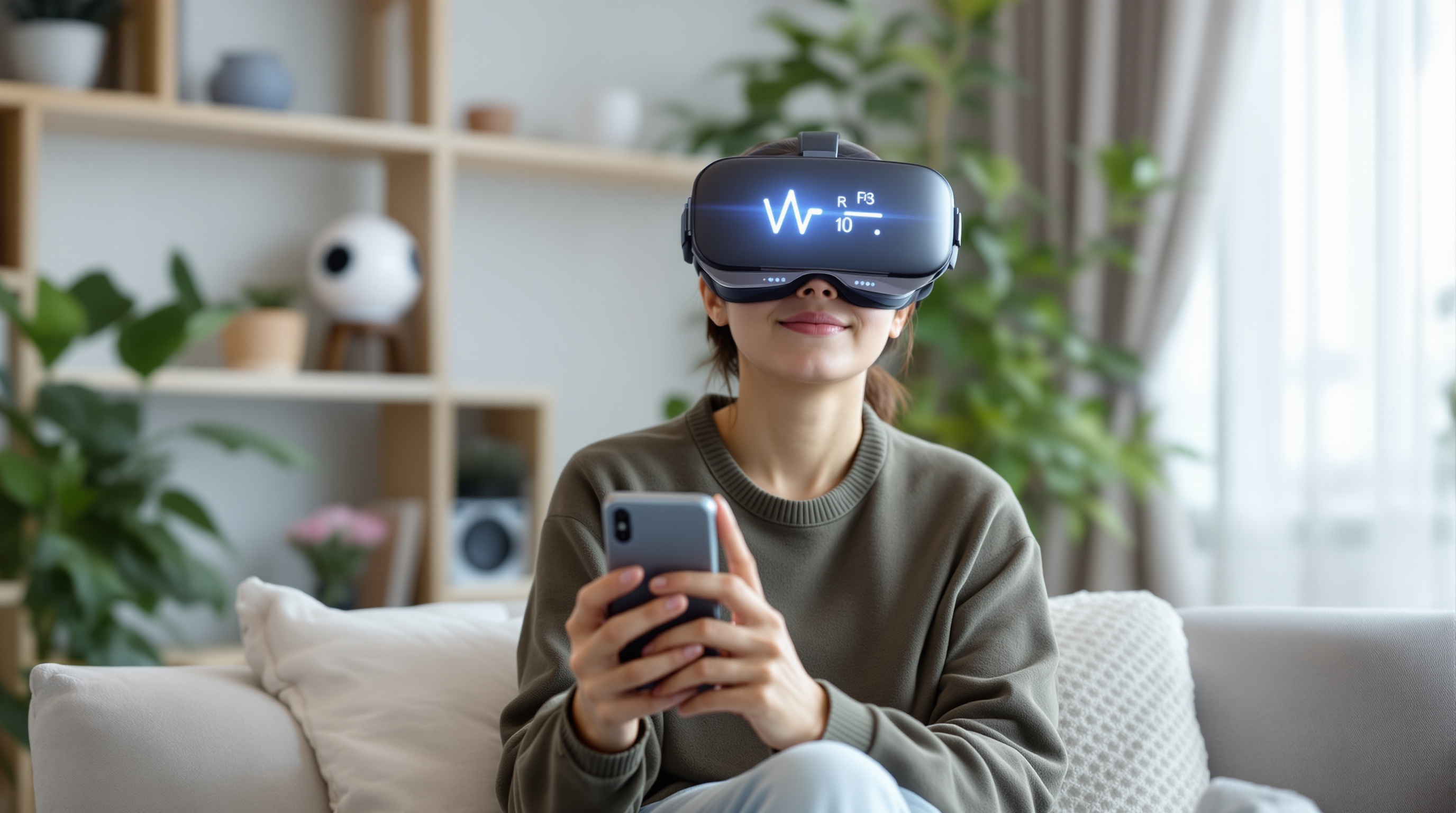
- Teaching material business through AI learning guide auto-generation
- Revenue diversification through patent licensing business
- Construction of God Hand succession platform
Long-term Vision
Evolving VR from "just viewing" to "treating and installing abilities"
Just Viewing VR
Conventional passive video experience
Ability-Installing VR
Active platform achieving therapeutic effects and skill acquisition

Experience VR Possibilities in Your Field
Experience research-proven effects in your organization. Feel free to contact us for detailed reports or demo consultations.
Depression Treatment VR
69.2% remission rate, average -11.7 point improvement in HAMD score
Paramedic Education
2.05x improvement in team collaboration understanding, 1.74x improvement in initial treatment understanding
Triage Education
Practical test score VR group 29 points vs lecture group 25 points (p=0.03)